
Introduction
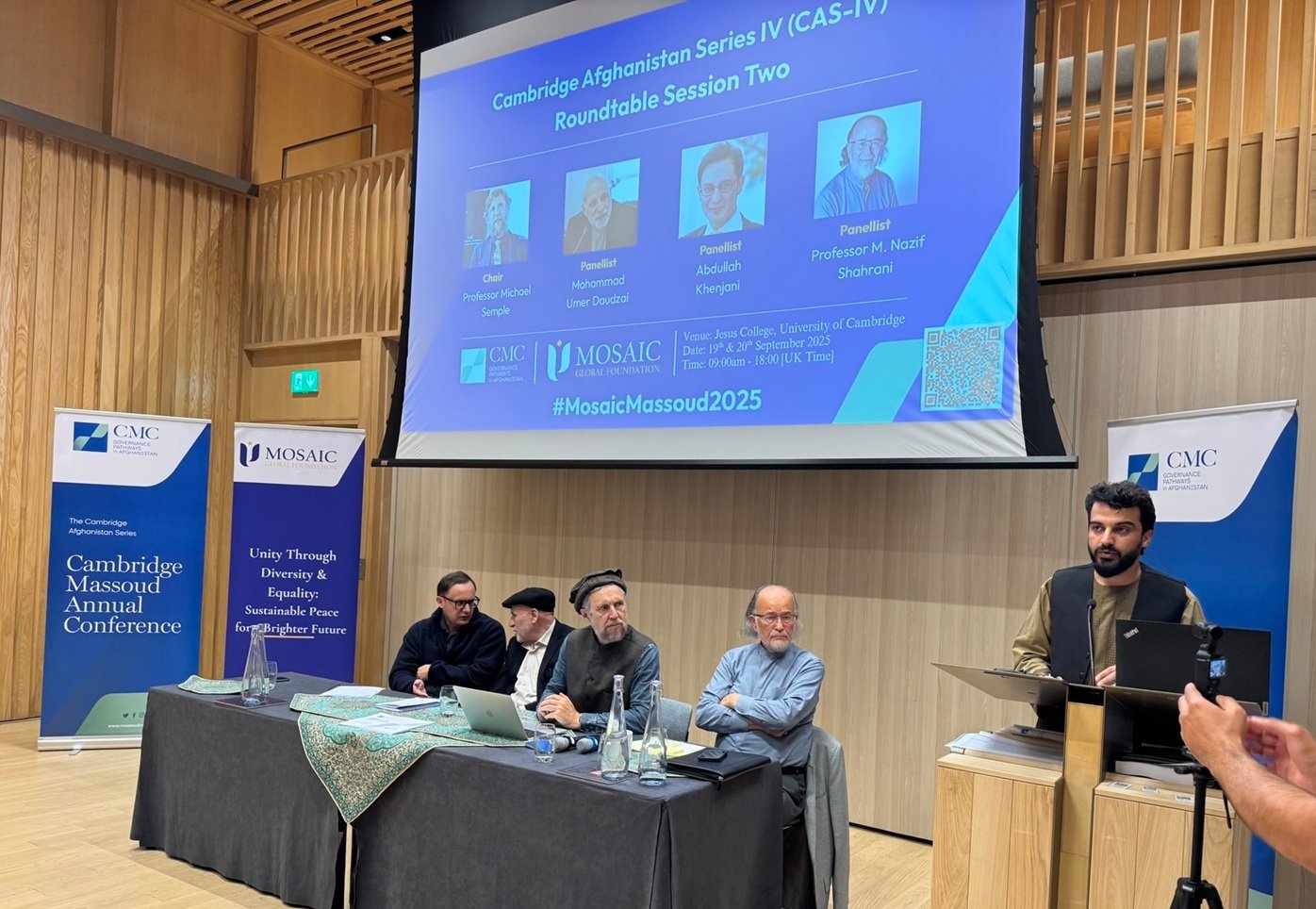
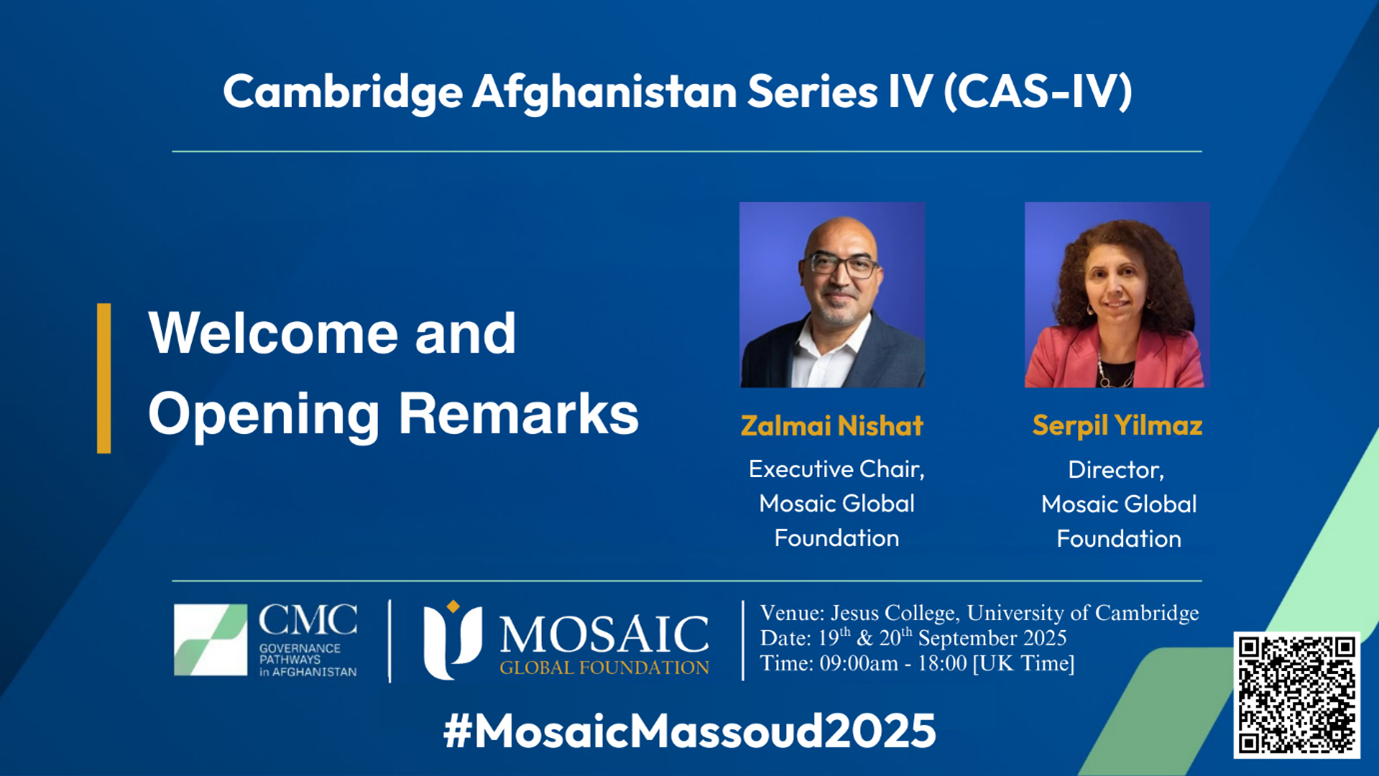
On 19–20 September 2025, the Mosaic Global Foundation convened the fourth round of its Cambridge Afghanistan Series (CAS-IV-2025) at Jesus College, Cambridge. The series is also known as Cambridge Massoud Conference (CMC) is part of "Governance Pathways in Afghanistan," a long-term project on re-imagination the state in Afghanistan to ensure it is based on historical and current realities of the diverse and plural society. Bringing together Afghanistan's politicians, academics, civil society leaders, resistance representatives, and international experts, this iteration of the series aimed at fostering coherence and unity between the democratic opposition to the Taliban.
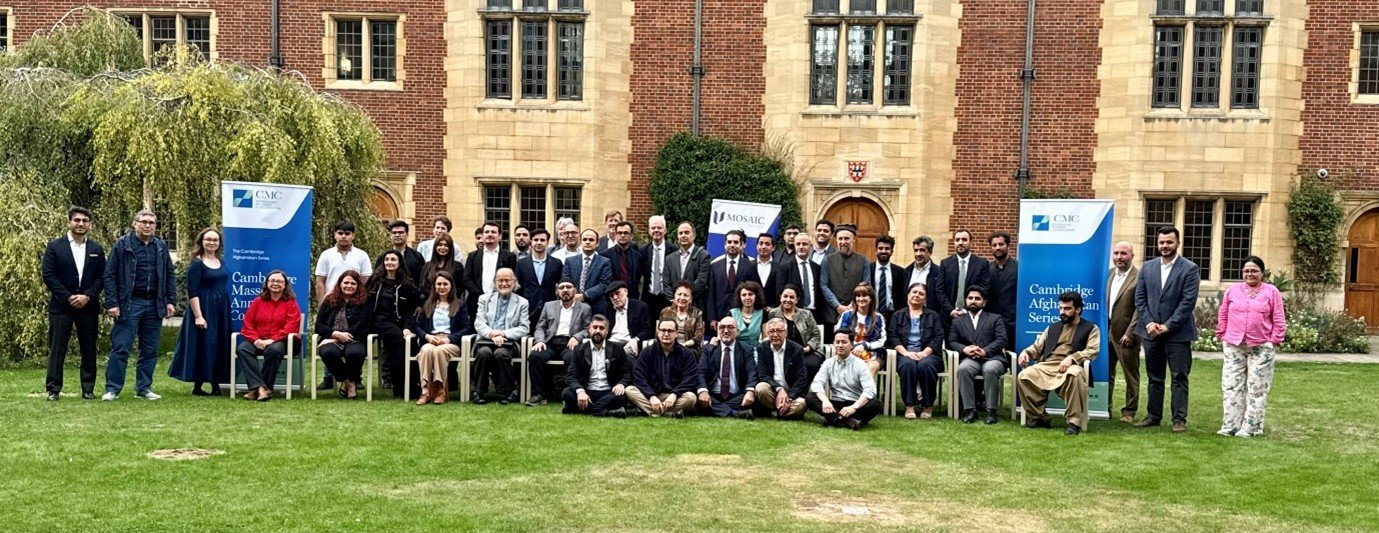
A group picture at the end of the 2nd day of the conference at Jesus College, Cambridge
Democratic Opposition Builds Coherence and Consensus
At the centre of discussions was the Composite Comprehensive Roadmap (CCR) — a framework synthesising more than 20 proposals from political groups and civil society networks. Building on CAS-III in September 2024, where six major political groups opposing the Taliban presented their roadmaps on the future of Afghanistan, Mosaic Foundation facilitated creation of an "independent and competent" Working Group to collect further roadmaps and proposal to combine them into a single document to create "coherence" among the democratic opposition. This was based on an independent study of these roadmaps, which revealed there were over 90 percent of overlapping consensus among these roadmaps.
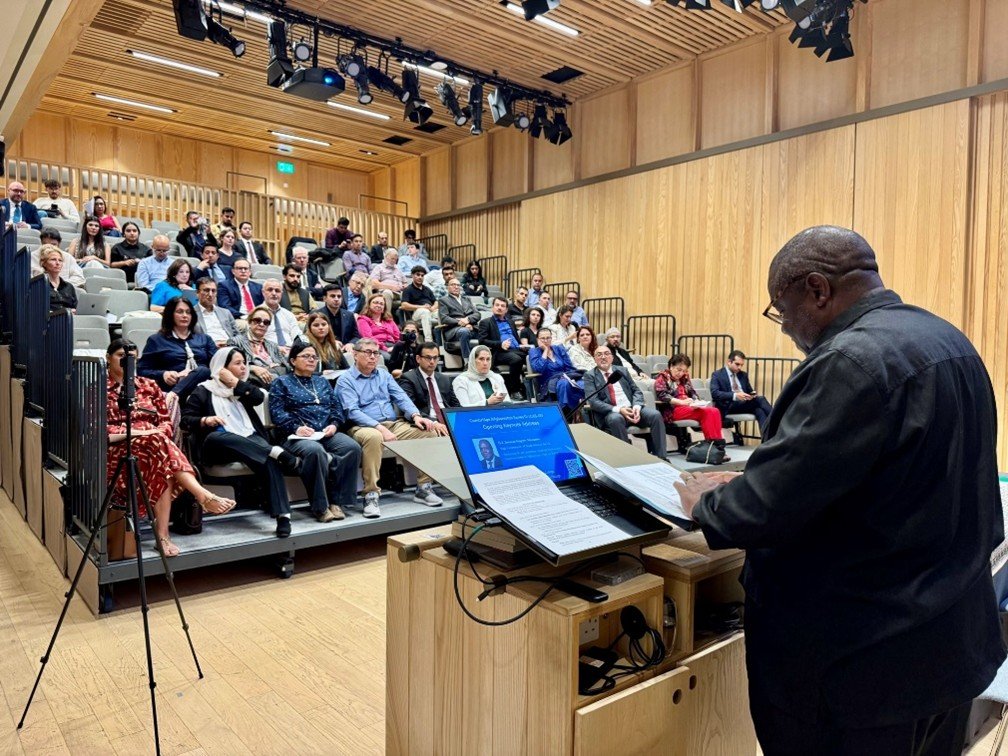
The participants of the CAS-IV, including political, civil and diplomatic leaders of Afghanistan and international experts, welcomed the CCR as a milestone for building a unified, credible and coherent alternative to Taliban rule.
Key Themes and Interventions
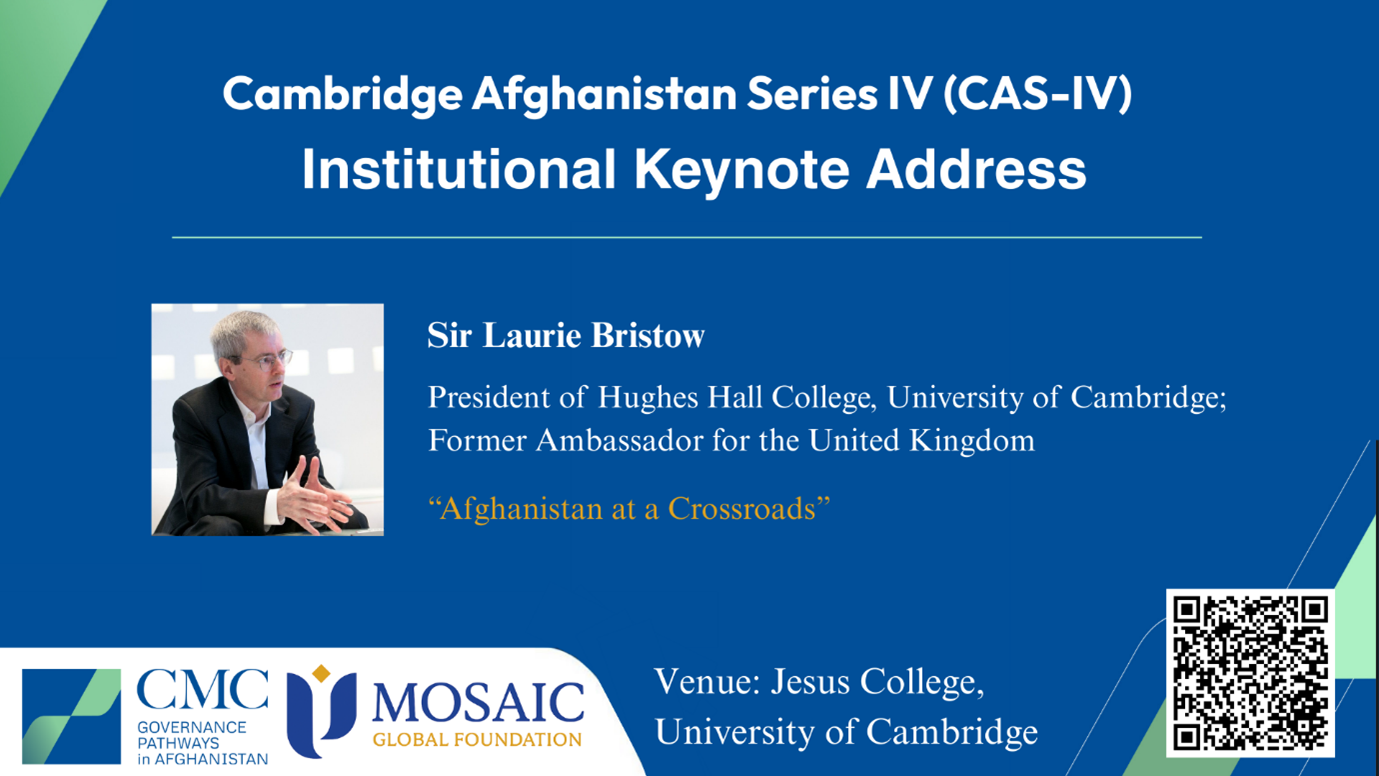
- Sir Laurie Bristow, President of Hughes Hall and former UK Ambassador to Afghanistan, warned that without a coherent vision, Afghanistan faced a future of entrenched repression and deprivation.
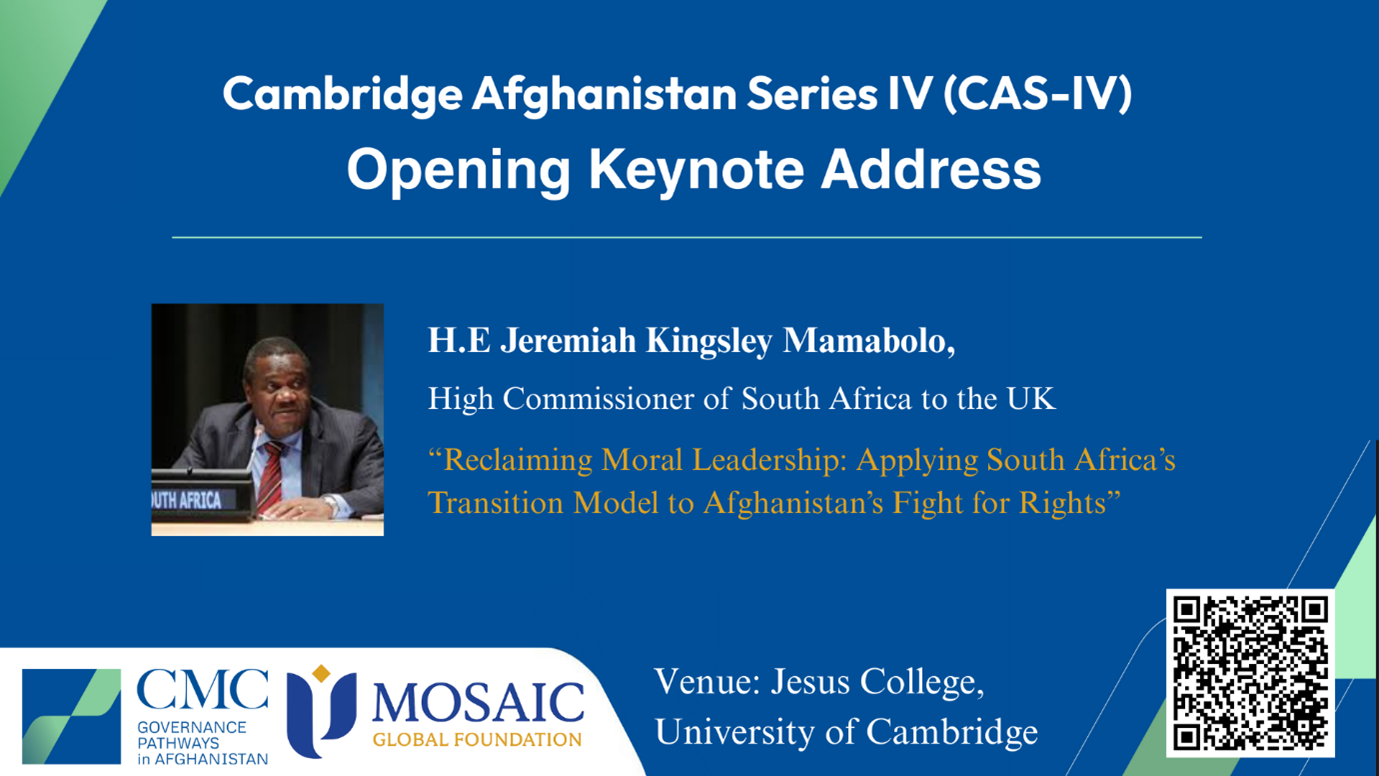
- Jeremiah Mamabolo, South Africa’s High Commissioner to the UK, described the Taliban’s treatment of women as “gender apartheid,” urging international solidarity akin to the anti-apartheid struggle.
- Ambassador Nasir Ahmad Andisha (Afghanistan’s UN Permanent Representative in Geneva) outlined how the CCR united armed, civil, and politico-diplomatic resistance.
- Professor Nazif Shahrani stressed that unless Afghanistan’s political culture of inequality and person-centred leadership was addressed, past failures risked being repeated.
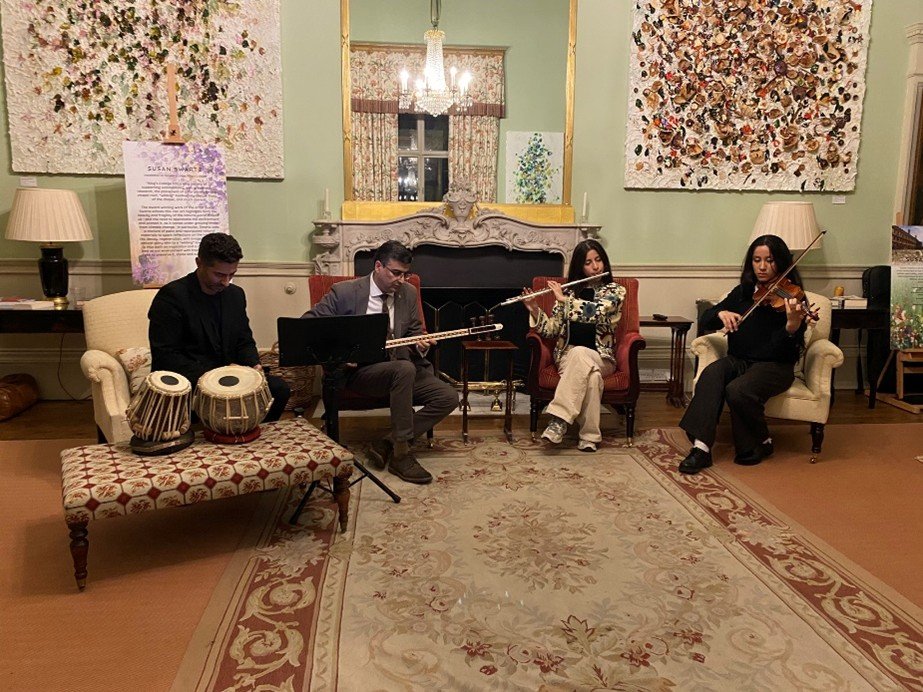
Cultural Evening at Provost Lodge, King’s College, Cambridge
One of the highlights of the event was a careful choreography of displaying the rich culture of Afghanistan, Iran and Central Asia through music, poetry and food of the region. It is not only important to highlight the culture but also show in practice what is at stake in Afghanistan under the Taliban as the latter is systematically destroying the rich culture of the country piece by piece. Symbolically, Mosaic Foundation invited a music band made up of crew from Iran, Afghanistan, Tajikistan and Uzbekistan.
Similar to previous year’s conference, the Provost of King’s College, Cambridge, graciously allowed Mosaic Foundation and the CAS-IV to hold the Cultural Evening at the Provost’s Lodge.
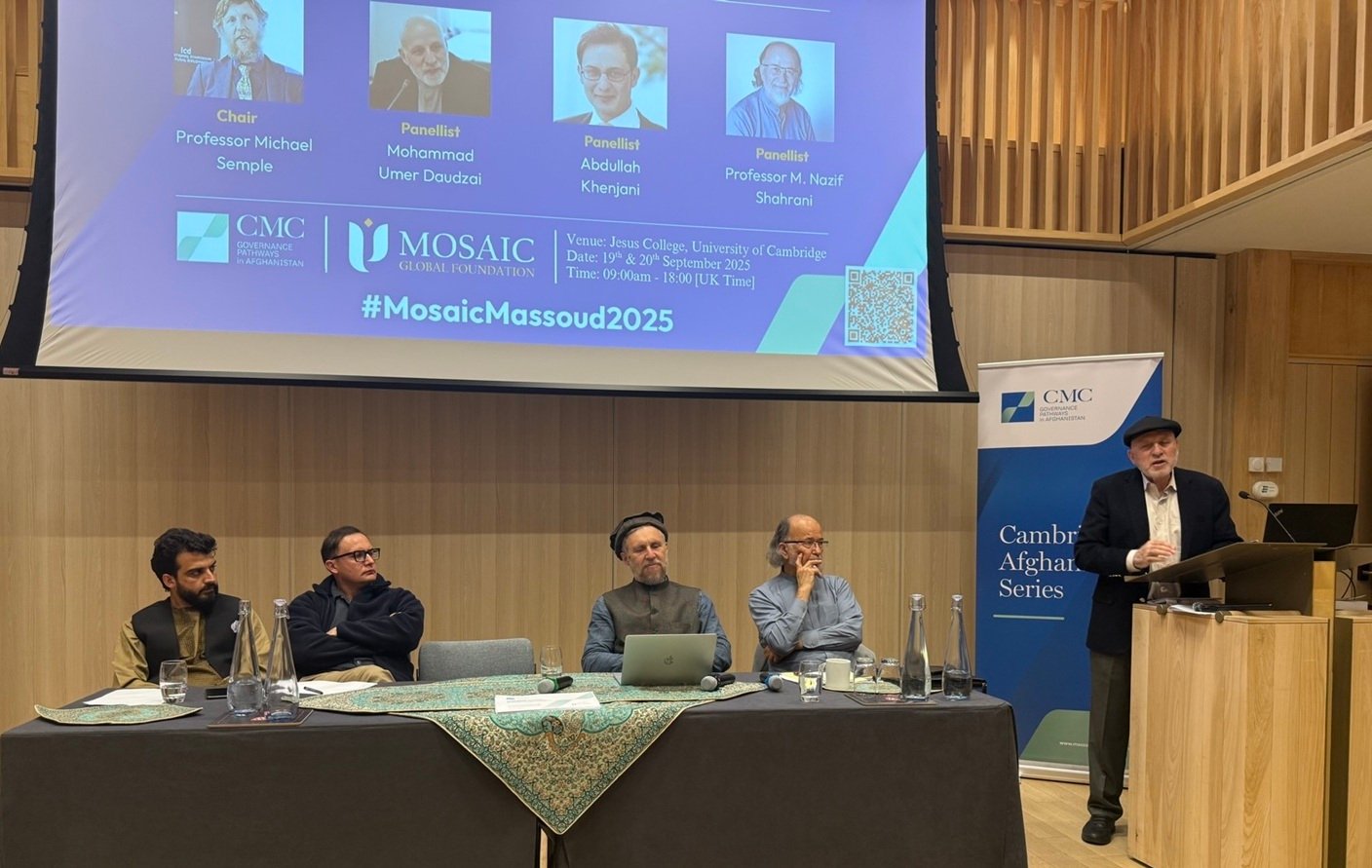 Dialogue: Bridging Differences
While the first panel formally launched, assessed and evaluated the potential of the CCR, underling its transformative nature and its ability to create a coherent democratic opposition, the next five panels examined Afghanistan’s structural challenges — centralisation vs. decentralisation or federalism; ethnic pluralism, inclusion and social justice; the evolving role of international actors, strategies of resistance for change, and the complext issue territorial cohension and national identity — issues that remain points of divergence between these 20 roadmaps and proposals. Discussing and debating these diverging views and respecting different views signals the democratic opposition’s willingness to "bridge differences" and strengthen the overlapping consensus.
In addition, these debates underscored the CCR’s potential as a living, inclusive roadmap fascilitating the "national dialogue" and future political settlement — perhaps providing guiding principles to other potential roadmaps, to existing roadmaps such as the Vienna Process Roadmap, and to the UN Doha Process, the comprehensive approach assessment carried on behalf of UN by Mr Feridun Sinirlioglu.

New Mandate: Turning CCR to a Roadmap Template for Democratic Opposition
After initial panel launching the CCR and the next five panels debating differences among different roadmaps, during the afternoon of the second day of the conference dialogue of the civil society, including women and ulema (religious scholars) as well as dialogue of politicians were carefully choreographed in a way to reflect the next steps of the CCR.
From these dialogues, a new mandate emerged for the CCR Working Group, Cambridge Afghanistan Series and Mosaic Foundation and the CCR Working Group: to actually define at least three solutions for each of the five areas and review it in the next conference to really position the CRR as the framework for Afghanistan's Democratic Opposition.
Civil society and political umbrella groups, including the National Assembly for Salvation of Afghanistan (NASA), endorsed the CCR as a potential National Roadmap. Participants mandated Mosaic and the Working Group to continue engaging wider stakeholders to refine and advance the framework.
As an immediate next step, the Mosaic Foundation will ensure that the CCR Working Group builds on the rich proceedings of CAS-IV to develop an updated edition of the Comprehensive Composite Roadmap (CCR). Thereafter, Mosaic and the Working Group will continue engaging with political and civil society groups whose roadmaps and proposals have already been incorporated into the CCR, while also reaching out to those whose perspectives are yet to be included. This effort aims to shape the CCR into a National Roadmap for the Democratic Opposition, in accordance with the mandate of the conference.
Shifting Regional and International Context
The conference also underscored Mosaic’s growing international standing. In January 2025, its convenor Zalmai Nishat was invited to Pakistan by the Foreign Ministry, OIC, and Muslim World League to challenge the Taliban’s policies on women and girls — a signal that Pakistan itself is adjusting its strategic direction on Afghanistan. Moreover, Saudi Arabia and the Gulf States are increasingly engaging with and listening to the democratic opposition, marking a significant shift in the regional environment.
This momentum is further reinforced by Malala Yousafzai, whose global advocacy continues to challenge the Taliban’s horrendous policies against women and girls, calling them "gender apartheid" amplifying Afghanistan's struggle on the world stage.
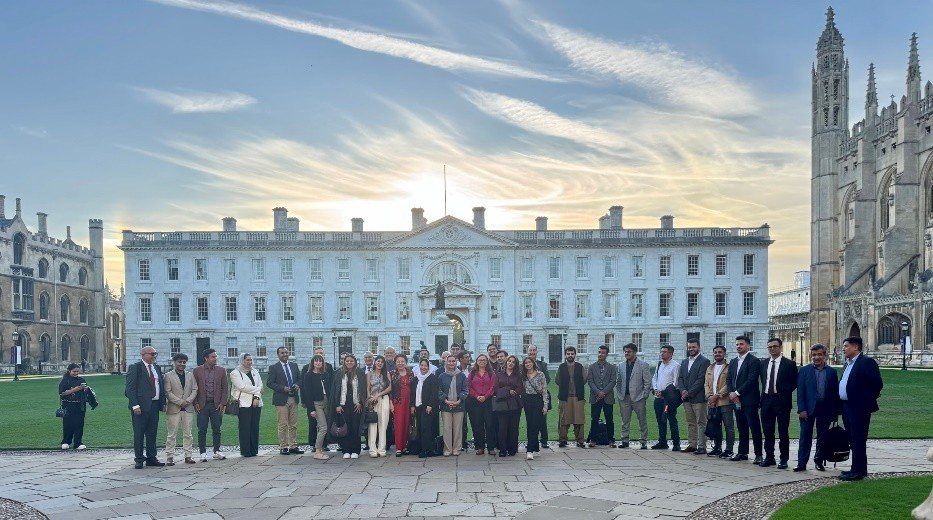
A group photo at the entrance of King's College, 1st day of the conference, heading to Provost Lodge for Cultural Evening
A Historic Turning Point?
The Cambridge gathering highlighted that, while Afghanistan’s history is marked by broken promises, unity in diversity, clarity in purpose, and hope in the face of despair are beginning to take shape. The CCR is not yet a a complete document with the differences hammered out, but it represents an inclusive process toward one — and a reference point for building coherence among Afghanistan’s fragmented opposition. It, however, even now charts the pathways to "transition to a legitimate, democratic, and stable [political] system in Afghanistan," as the title of the CCR indicates.
Whether this moment proves to be a turning point remains to be seen. Yet, for two days in Cambridge, Afghanistan’s democratic opposition and its international partners demonstrated that a roadmap exists — one negotiated across divides, capable of replacing decades of roadblocks with the possibility of a different future.
A Word of Thanks
It is important to acknowledge the active participation and contributions of the Centre for Dialogue and Progress–Geneva (CDP-G), which led the civil society dialogue component of the conference. Our special thanks go to Ambassador Nasir Andisha and Mr Masood Amer for their invaluable support.
We would also like to thank Food for Thought Afghanistan (FFTA) for their active engagement and contribution to the conference. FFTA hosted a side event entitled “The Role of the Global Citizen in Afghanistan.”
Equally importantly, we extend our gratitude to the Osimi Foundation for their generous support in making these events possible. In particular, we thank Gavhar Osimi for his outstanding leadership.
Finally, our heartfelt thanks go to the diverse communities from Afghanistan across the UK, whose generous contributions helped bring this event to life.
 |
 |
 |
 |